Category: Team Marketing

  • What Wildlife Museums Teach Solopreneurs About Content & Team Marketing

    What Wildlife Museums Teach Solopreneurs About Content & Team Marketing

    Summary

    Most solopreneurs are drowning in content pressure—posting everywhere, all the time. But what if the secret isn’t doing more? Wildlife museums have quietly mastered a content strategy that builds authority without burnout, and it’s surprisingly replicable for solo marketers.

    Key Takeaways

    • Wildlife museums don’t publish everything — they curate with purpose, and solopreneurs should do the same by only publishing content that serves a clear goal.
    • Every piece of content should connect to one unified mission: building awareness, establishing trust, or driving action.
    • Educational events like webinars aren’t just one-off efforts — they’re launchpads for a chain of content that keeps working long after the live moment ends.
    • “Team marketing” for solopreneurs is achieved through strategic partnerships and smart content sequencing, not headcount.
    • The relay model — Webinar → Newsletter → Social → Workshop — turns a single idea into a full content ecosystem that passes audience attention forward.

    Most solopreneurs are drowning in content pressure — post daily, go live weekly, write a blog, send a newsletter, and somehow do it all alone. But what if the answer isn’t to do more? What if it’s to curate better? Wildlife museums have quietly been doing this for decades. Walk into any great natural history or wildlife museum and you won’t find chaos — you’ll find a clear story, a guided path, and content that makes you feel something. That’s the model worth borrowing.

    Most Content Gets Ignored — Museums Already Solved This

    Industry data consistently shows that the vast majority of branded content fails to move the needle: a significant portion has no measurable impact on conversions, much of it offers no real value to the audience, and some actively damages brand perception. These aren’t rounding errors — they represent the majority of what most businesses publish.

    The problem isn’t effort. It’s strategy. Most content is created to fill a calendar, not to fulfill a purpose. And audiences feel it. They scroll past, close the tab, and unsubscribe — not because they don’t care, but because they’re overloaded.

    Wildlife museums figured this out long before digital marketing existed. They don’t display every artifact they own. Curators make hard choices: What belongs here? What serves the visitor’s journey? What connects to the larger story being told? The result is an experience that feels intentional, not overwhelming. For solopreneurs, that same discipline is the difference between content that converts and content that disappears into the noise.

    Curate Like a Museum, Not a Flea Market

    A successful content strategy runs like a well-organized museum — not a flea market. A museum has a clear path, a unifying theme, and context that connects everything together. A flea market is cluttered, chaotic, and exhausting to navigate. When a content calendar feels overwhelming to the person creating it, the audience is almost certainly feeling it too.

    Solopreneurs can streamline this by choosing a consistent format — whether that’s a weekly email newsletter, a bi-weekly blog post, or a monthly long-form guide — and building a standard outline around it. Consistency in format reduces decision fatigue and makes the publishing process repeatable. That’s not a shortcut; it’s how sustainable content actually works.

    Ask ‘Why Does This Exist?’ Before Every Publish

    Before hitting publish on anything, pause and ask one question: Why does this piece exist? If the honest answer is “because we needed something for Thursday,” that’s not curation — that’s stockpiling.

    As artist Maira Kalman once said, “A visit to a museum is a search for beauty, truth, and meaning in our lives. Go to museums as often as you can.” Content should do the same. Each piece should serve a purpose and point toward something bigger — a strategy, a customer journey, a specific goal. Without that filter, even well-resourced operations end up duplicating efforts and diluting their message. Content audits at large organizations have revealed teams unknowingly producing the same piece of content multiple times over, the result of siloed workflows and no shared editorial vision. Solopreneurs don’t have that luxury of wasted effort — every publish needs to count.

    Laser-Focus on a Niche to Become the Go-To Resource

    Museums don’t try to cover everything. The best ones are known for something specific — native wildlife, marine life, ancient civilizations, regional ecosystems. That focus is exactly what builds authority. Visitors know what they’re coming for, and they return because the museum delivers on that promise every time.

    For solopreneurs, laser-focusing on a niche topic works the same way. Instead of being a generalist voice in a crowded space, the goal is to become the go-to resource for a specific audience with a specific problem. Organizing content around that niche — and resisting the urge to drift into adjacent topics just for traffic — is what turns a content library into a trusted brand.

    Align All Content to One Unified Mission

    Walk through a wildlife museum and every exhibit, every display caption, every interactive station points back to the same core mission — conservation, education, wonder. Nothing feels random. That coherence is what makes the experience feel meaningful rather than scattered.

    Solopreneurs often lose this thread as they scale their content output. A podcast episode goes in one direction, a social post goes in another, and a blog article covers something else entirely. The result is a brand that feels unfocused — even if each individual piece is well-made.

    Commercial Spot for CuriOdyssey (formerly Coyote Point Museum)

    Every Asset Should Serve Awareness, Trust, or Action

    A practical way to stay aligned is to assign every piece of content to one of three roles: Awareness, Trust, or Action. Awareness content introduces the brand to new audiences. Trust content deepens credibility with people who already know the brand exists. Action content invites a specific next step — a purchase, a sign-up, a conversation.

    If a piece of content doesn’t clearly serve one of those three purposes, it doesn’t belong in the calendar. When all assets point toward a unified mission, the audience moves through a clear journey from first discovery to loyal customer, rather than bouncing around between disconnected ideas. That alignment is what separates a content strategy from a content pile.

    Educational Events Build the Trust Museums Run On

    Wildlife museums don’t just passively display information — they create experiences. Keeper talks, conservation workshops, behind-the-scenes tours: these live moments build a level of trust that no static exhibit can match on its own. They make the audience feel like insiders, not just spectators.

    For solopreneurs, educational events serve the exact same function. They’re not just marketing tactics — they’re trust accelerators. The good news is that they don’t require a conference budget or a large team to execute effectively. Joining a team creating themed content can help solopreneurs and professional groups show up with authority without burning out behind the scenes.

    1. Host Webinars to Establish Thought Leadership

    Webinars are one of the most cost-effective tools available to solopreneurs. Hosting a high-quality educational webinar boosts credibility, positions the host as a thought leader, and opens direct access to audience questions and feedback — all in a single session. The key word is educational. The webinar shouldn’t feel like a sales pitch; it should feel like a class. When attendees leave having genuinely learned something, they associate that value with the person who taught them.

    That association is how trust is built at scale — without a sales team, without cold outreach, and without a massive ad budget.

    2. Speak at Local or Virtual Events for Authority Transfer

    When a host organization invites a solopreneur to speak — whether at a local chamber event, a virtual summit, or an industry panel — something valuable happens: the host passes their credibility to the speaker. The audience already trusts the host. By extension, they arrive predisposed to trust the guest.

    This “authority transfer” is exactly what happens when a wildlife museum partners with a respected conservation organization for a joint lecture series. The museum gains the partner’s credibility; the partner gains the museum’s audience. Solopreneurs can access this same dynamic by actively seeking out speaking opportunities, even small ones, in communities where their ideal audience already gathers.

    3. Use Live Moments to Capture Leads and Community

    Live events — whether virtual or in-person — create urgency that recorded content can’t replicate. They give people a reason to show up now. And when designed with intention, they also become lead capture moments: webinar registrations build email lists, workshop sign-ups create direct relationships, and Q&A sessions generate content ideas for weeks afterward.

    The live moment isn’t the end of the campaign. It’s the starting gun. Every event creates raw material — clips, quotes, questions, testimonials — that feeds the next phase of the content relay.

    Pass the Ball Across Every Touchpoint

    Here’s how a wildlife museum actually works as a marketing machine: a visitor arrives at the admissions desk, gets oriented, moves through curated exhibits, attends a keeper talk, signs up for the newsletter on the way out, watches a behind-the-scenes clip that evening, and returns next month for a members-only event. Each touchpoint passes the “ball” of attention to the next one. No single moment is trying to do everything — each one does its part and hands off cleanly.

    That’s the model solopreneurs should be running. Not isolated posts. Not one-off campaigns. A deliberate chain where each asset points to the next logical step.

    Chain Content Together Instead of Starting From Scratch

    Content repurposing isn’t just a time-saving hack — it’s the strategic backbone of solo content marketing. Instead of treating each piece as a standalone creation, identify where else that idea can live before publishing it. A single idea, properly sequenced, can appear as a webinar, a newsletter section, three social posts, a blog article, and a workshop module — without ever feeling repetitive to the audience, because each format serves a different moment in their journey.

    A systematic approach to repurposing multiplies reach across multiple platforms without burnout — which is exactly the kind of advantage a one-person operation needs.

    The Relay Model: Webinar → Newsletter → Social → Workshop

    A simple, repeatable structure that mirrors the museum model looks like this:

    • Webinar — The live educational event that builds trust and captures leads.
    • Newsletter — A follow-up that deepens the topic, recaps key insights, and drives replay views.
    • Social media clips — Short, punchy moments pulled from the webinar that introduce the topic to new audiences.
    • Workshop or paid offer — The natural next step for audience members who want to go deeper.

    Each stage passes the audience forward. No one piece has to carry the entire marketing load. This is how one idea becomes a full content cycle — and how solopreneurs can show up consistently without creating from scratch every single week.

    Build a ‘Team’ Through Strategic Partnerships

    Wildlife museums don’t operate in isolation. They partner with schools, conservation organizations, government agencies, and local businesses to extend their reach, share resources, and serve a bigger mission than any single institution could achieve alone. That collaborative instinct is exactly what solopreneurs need to adopt when thinking about “team marketing.”

    Without a dedicated marketing department, the team gets built differently — through relationships, not org charts.

    Cross-Promote With Complementary Businesses

    Strategic partnerships with complementary businesses allow solopreneurs to tap into new markets and expand their audience without competing head-to-head. The key word is complementary: businesses that serve the same audience but in a different way. A solopreneur who teaches business finance, for example, might partner with someone who teaches productivity systems. Their audiences overlap, but their offerings don’t conflict.

    Cross-promotion can take many practical forms: sharing each other’s newsletters, featuring one another in podcast episodes, bundling services for a joint offer, or simply exchanging social media mentions. Each of these moves puts a solopreneur’s name in front of a warm, pre-qualified audience — without paid advertising.

    Co-Host Events to Share Audiences and Credibility

    Co-hosting an event — whether a joint webinar, a collaborative workshop, or a virtual panel — combines audiences and credibility in a single moment. Both partners show up with their existing trust, and the audience gets double the value. It’s the same logic as a museum partnering with a documentary filmmaker for a screening event: both parties bring their people, and both leave with a larger, more engaged community.

    For solopreneurs, co-hosted events also reduce the production burden. Two people planning one event is dramatically more efficient than one person planning two separate campaigns. The result is more reach, more leads, and more authority — without proportionally more work.

    Your Content Ecosystem Is Your Marketing Team

    When everything is working together — curated content, off-site optimization and real world networking— the content ecosystem itself becomes the marketing team. Each layer plays a role. And each participant benefits from the collective contribution.

    A well-built content ecosystem organizes assets into a strategic network anchored to topic pillars, connected by internal links, and staged across the customer journey — so that each new piece adds to what came before rather than starting from zero. That’s not a complicated system. It’s a disciplined one.

    The bottom line: wildlife museums don’t win by having more — they win by curating better, aligning everything to a mission, and passing audience attention seamlessly from one touchpoint to the next. That’s not just a museum strategy. That’s a solopreneur strategy.

    For pet-focused solopreneurs and small business owners ready to put these content strategies into action, PetsCanGo.com is a curated resource built for the pet welcoming business community — a real-world example of focused, mission-aligned content that keeps audiences coming back.

    What makes a firm green and sustainable: Have fun learning about wildlife at CuriOdyssey, formerly Coyote Point Museum in San Mateo, California.
    San Francisco Bay Area attractions, what makes a firm green and sustainable.

    Support green companies and businesses that are pet friendly by visiting: http://rescuesrsuper.org/rescueswp/
  • Team Marketing in Action: How Wildlife Organizations Work Together & What Other Affinity Groups Can Learn

    Team Marketing in Action: How Wildlife Organizations Work Together & What Other Affinity Groups Can Learn

    Summary

    Conservation organizations face a marketing paradox: they are all fighting for the same audience — environmentally conscious families, donors, and advocates — yet the most successful among them have figured out that fighting together is far more effective than fighting alone. The result is one of the most underappreciated models in non-profit marketing: team marketing.

    Key Takeaways

    • Wildlife organizations don’t compete for visitors — they collaborate through unified messaging, shared resources, and reciprocal programs to grow the entire conservation ecosystem.
    • The AZA’s accreditation framework gives member institutions a common foundation for cross-promotional marketing, turning individual facilities into a unified public-facing movement.
    • Programs like Species Survival Plan® (SSP) and Saving Animals From Extinction® (SAFE) are more than conservation tools — they are proven team marketing engines operating at national scale.
    • Reciprocal membership networks keep donor and visitor dollars circulating within a trusted circle of mission-aligned organizations, creating long-term audience retention without direct competition.
    • The same collaborative marketing blueprint wildlife organizations use can be adapted by any non-profit coalition — the real-world campaigns discussed below show exactly how it works in practice.

    Collaboration, Not Competition, Drives Conservation Impact

    Walk into almost any accredited zoo, aquarium, or wildlife preserve in the country, and you will notice something telling: brochures for other facilities sitting right at the front desk. Staff recommending nearby preserves. Membership cards that unlock discounts at partner institutions hundreds of miles away. This is not accidental generosity — it is a deliberate, well-structured marketing strategy.

    Wildlife organizations have quietly mastered a model that many corporate marketers spend years trying to build: a network where every participant grows stronger by lifting the others. Rather than treating a neighboring aquarium or regional wildlife museum as a competitor for the same ticket dollars, these institutions treat each other as complementary touchpoints in a much larger conservation journey.

    The underlying logic is straightforward. A family that spends an afternoon at a local nature center does not become less likely to visit a major safari park — they become more likely. Curiosity, once ignited, compounds. And when every facility in the network is actively directing visitors toward the next experience, the whole system grows together.

    What Team Marketing Actually Means in This Space

    Team marketing — sometimes called alliance marketing, cooperative marketing, or partnership marketing — is when distinct organizations pool their brand equity, audiences, and resources to achieve goals none of them could hit alone. In the wildlife sector, this is not a buzzword. It is operational reality.

    Pooled Resources, Shared Audiences, Expanded Mission

    No single wildlife facility has an unlimited budget. The San Diego Zoo Wildlife Alliance can fund global field research; a regional preserve in Sonoma County cannot. But when those two organizations share marketing assets, cross-promote each other’s programs, and align their public messaging — both benefit from capabilities that far exceed what either could produce independently.

    The Wildlife Conservation Society (WCS) offers a concrete example of what resource-sharing looks like at scale. WCS collaborates with hundreds of global partner organizations and uses centralized work management platforms to coordinate those efforts, reclaiming administrative capacity that can be redirected toward mission-critical work.

    Shared technological resources follow the same logic. Joint use of tools like drone technology for habitat surveillance, co-branded digital campaigns, and unified social media pushes all reduce per-organization costs while multiplying reach.

    Co-Opetition: Growing the Market Together

    Co-opetition is the strategic concept where organizations that could theoretically compete choose instead to cooperate — because the combined market they can grow together is far more valuable than the narrow slice each could dominate alone.

    In wildlife conservation, this plays out as non-cannibalizing market segmentation. A science center targeting Bay Area parents of toddlers is not competing with a 400-acre safari park targeting adult travelers. A regional preserve introducing guests to African megafauna is not stealing visitors from an international hub running global breeding programs. Each occupies a distinct position in the visitor’s conservation journey — and each benefits when the others do their jobs well.

    This is the core insight: team marketing works in this space because the organizations involved have aligned their missions more tightly than their revenue models. Shared purpose makes collaboration natural rather than forced.

    How AZA Accreditation Creates a Unified Framework

    The Association of Zoos and Aquariums (AZA) is the structural backbone that makes large-scale team marketing possible for wildlife institutions. AZA accreditation is not simply a quality badge — it is a shared operating standard that creates the trust infrastructure required for deep organizational collaboration.

    When a facility earns AZA accreditation, it joins a network of institutions that have all agreed to meet rigorous benchmarks in animal care, conservation commitment, and public education. That common denominator allows member organizations to cross-endorse each other credibly. When a large, globally recognized institution promotes a smaller regional partner, the trust transfer is genuine — because both operate under the same verified standard. Visitors and donors can move between AZA-accredited facilities with confidence, which is precisely what makes the reciprocal marketing ecosystem function.

    AZA also supports member institutions through shared marketing resources and best-practice exchange, functioning as a central hub that reduces individual marketing workloads and amplifies collective impact across the entire network. For marketing professionals within non-profits, this kind of association-level infrastructure is worth studying closely. KEA Productions works with mission-driven organizations on structured collaborative communication within shared frameworks.

    Species Survival Plan® (SSP): Cross-Institutional Breeding Networks

    The Species Survival Plan® program is one of the most operationally sophisticated examples of cross-institutional collaboration in conservation. Coordinated across AZA-accredited facilities nationwide, SSP manages breeding and animal transfer plans to maintain genetically diverse, demographically stable populations of vulnerable and endangered species — all within managed care settings.

    The marketing dimension of SSP is easy to overlook but significant. When a zoo in Chicago participates in a breeding program with an aquarium in San Diego, both institutions gain authentic conservation stories to tell their visitors. Both can point to tangible outcomes — like the recovery programs for the black-footed ferret, California condor, and golden lion tamarin — as proof of what their membership dollars and ticket purchases actually fund. That is not just conservation impact; it is compelling, credible audience engagement rooted in real results.

    SSP also reinforces the collaboration-not-competition ethos. Animals and biological data are shared across facilities, not siloed within them. Greater coordination in sharing detailed life-history records and biological samples across zoos, aquariums, and natural history museums actively improves both conservation research and scientific study — a rising tide that lifts the entire network.

    Saving Animals From Extinction® (SAFE): Collective Action at Scale

    Established in 2014 and rolled out in 2016, AZA SAFE (Saving Animals From Extinction®) takes the SSP model beyond captive populations and into the wild. By 2023, the program had grown to encompass 56 species and taxonomic-wide programs. SAFE unites AZA facilities, field partners, and their combined visitor bases around structured, three-year action plans targeting threatened species in their native habitats.

    What makes SAFE a team marketing case study — not just a conservation program — is how it mobilizes public audiences across multiple institutions simultaneously. Rather than a single zoo running a species awareness campaign in isolation, SAFE coordinates aligned messaging, shared campaign assets, and synchronized calls to action across the entire AZA network. The public encounters the same conservation story from multiple trusted sources, reinforcing the message and deepening engagement at every touchpoint.

    Shared Advocacy: Over 200 Million Visitors Mobilized Annually

    AZA-accredited institutions collectively welcome over 200 million visitors each year. That is a staggering combined audience — and when those institutions align their on-site and digital messaging around a common advocacy goal, the mobilization potential is extraordinary.

    AZA members have demonstrated this through coordinated digital and on-site campaigns that encourage their combined audiences to submit public comments, contact legislators, and take specific civic action. These campaigns do not require every facility to build its own advocacy infrastructure from scratch — they require each member to deliver a unified message to the audiences they already have. That is team marketing at its most efficient: one shared message, amplified through hundreds of trusted local voices.

    The Cross-Promotional Funnel: Local to Global

    One of the most elegant features of wildlife team marketing is how facilities at different scales serve different stages of a visitor’s conservation engagement — functioning together as a seamless funnel rather than isolated attractions competing for the same transaction.

    1. Gateway Institutions Seed Conservation Awareness

    At the entry level of the funnel sit local gateway institutions: science centers, wildlife rehabilitation facilities, and community nature museums. Organizations like CuriOdyssey in San Mateo and the Lindsay Wildlife Experience in Walnut Creek serve as first touchpoints — places where families with young children encounter wildlife and begin building environmental awareness in an accessible setting.

    These institutions are not just educational venues. Strategically, they are the top of the marketing funnel. Their programming and materials introduce conservation concepts and, critically, point visitors toward deeper experiences available through partner organizations. They are cultivating the next generation of conservation donors and engaged visitors — and doing it in service of the entire network, not just their own ticket sales.

    2. Regional Preserves Deepen Engagement

    As visitor interest matures, regional wildlife preserves like Safari West in Santa Rosa — a sprawling 400-acre wildlife park — take the relationship further. Safari West introduces guests to global conservation needs and African megafauna in a naturalistic, immersive setting that a community science center simply cannot replicate.

    Importantly, Safari West does not operate in isolation. It works directly with dozens of conservation partners — ranging from the Cheetah Conservation Fund to local California rescue organizations. When any one of those partners runs a species-specific campaign, the network’s combined marketing channels amplify it. That multiplier effect is what separates team marketing from individual institutional effort.

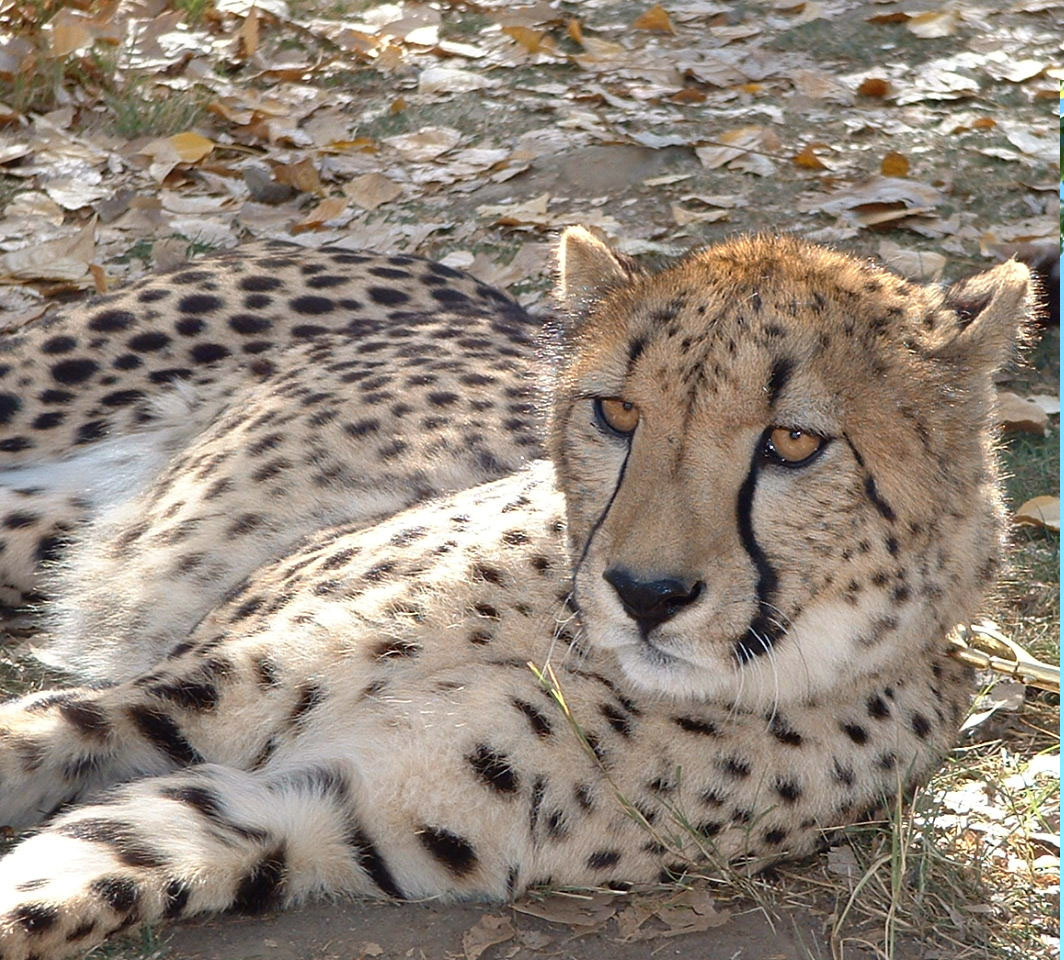
    CHEETAHS NEED FOR SPEED

    Shot on location at Safari West in Santa Rosa, CA

    3. International Hubs Close the Loop

    At the far end of the funnel sit international conservation hubs like the San Diego Zoo Wildlife Alliance — organizations with the resources to fund global field research, run international breeding programs, and advocate at the policy level. These institutions serve as the logical destination for the visitor whose interest has been cultivated by years of engagement with gateway and regional partners.

    The cross-promotional loop closes when international hubs actively promote their regional and local partners in return — acknowledging that their own donor base and membership pipeline flows, in part, from the groundwork laid at smaller facilities upstream. This reciprocal relationship is what keeps the funnel healthy at every stage.

    Reciprocal Memberships Keep Audiences in the Ecosystem

    Reciprocal membership programs are one of the most tactically effective tools in the wildlife team marketing toolkit — and one of the most directly transferable strategies for any non-profit network.

    Through programs like the North American Reciprocal Museum (NARM) network, members of participating institutions — including zoos, aquariums, science centers, and natural history museums — gain free or reduced admission at hundreds of partner locations. The immediate benefit to the visitor is obvious: their membership goes further. But the strategic benefit to the network is equally significant.

    When a family purchases a zoo membership and immediately receives a list of partner institutions where that card unlocks access, their entertainment and educational spending stays within the conservation ecosystem. They are not just a visitor to one facility — they are a potential visitor to dozens. And each of those facilities now has a vested interest in delivering an experience good enough to send that family back to a partner next time.

    This is loyalty marketing operating at the ecosystem level. Individual organizations are not competing for wallet share; they are collectively expanding how much of any given household’s discretionary spending flows toward conservation-aligned experiences. The membership becomes the movement.

    Team Marketing in Practice: Campaigns That Prove It Works

    Abstract strategy is useful, but concrete results are what move marketing leaders to act. Two campaigns in particular demonstrate that the team marketing model in wildlife conservation produces measurable, significant outcomes — not just goodwill.

    AZA SAFE’s Invest In the Nest Raised $200K via Shared Channels

    When AZA SAFE launched its campaign to support endangered African penguin populations, it did not rely on a single institution’s donor list or social media following. Instead, it deployed a coordinated, multi-institutional campaign that included a 10-hour Facebook Live event featuring 18 AZA member organizations and a Kickstarter crowdfunding effort under the Invest In the Nest banner.

    The result: over $200,000 raised for endangered penguin conservation. The campaign worked precisely because it pooled the audiences, credibility, and promotion channels of 18 distinct institutions simultaneously. No single zoo could have generated that level of public response independently — but the team did it in a single campaign cycle. This is the compounding power of unified messaging behind a shared cause.

    WWF’s #EndangeredSpeciesDay Campaign: Coordinated Reach at Scale

    The World Wildlife Fund has repeatedly demonstrated what happens when a conservation organization systematically amplifies its message through NGO partnerships and coordinated digital advocacy rather than relying solely on its own channels. By aligning with partner organizations around shared hashtag campaigns and synchronized content pushes, WWF has achieved measurable spikes in audience reach and follower growth that far outpace what any single institution could generate alone.

    The mechanism behind these results is straightforward: partner organizations each bring their own existing audiences to the campaign. Every new participant in the coalition multiplies the reach without proportionally increasing the cost. That is the economic case for team marketing distilled into a single data point.

    Wildlife Collaboration Is the Blueprint for Non-Profit Marketing

    The wildlife sector did not stumble into team marketing — it built the model deliberately, over decades, because the mission demanded it. No single organization has the resources, reach, or credibility to move public opinion on global conservation alone. So they stopped trying to do it alone.

    The strategic lessons transfer directly to any non-profit coalition or mission-driven network:

    • Lead with shared purpose, not individual brand. The AZA network’s public-facing campaigns center on saving species — not promoting individual zoos. The shared cause is the most powerful marketing asset any coalition has.
    • Build a structured funnel across your network. Not every organization needs to serve every audience. Assign roles — gateway, regional deepener, international hub — and design cross-promotional flows that carry audiences through the ecosystem naturally.
    • Use association infrastructure to reduce individual workload. Shared asset libraries and unified messaging guides let every member institution punch above its weight without duplicating effort.
    • Create reciprocal value, not just reciprocal promotion. Membership programs and loyalty ecosystems work because they give audiences a concrete reason to stay within the network — not just an abstract invitation to care.
    • Measure team outcomes, not just individual ones. Campaign success metrics should reflect the combined reach, revenue, and engagement generated across the entire coalition — not just what each facility drove on its own.

    The wildlife sector’s approach is not altruistic naivety. It is sophisticated, outcome-oriented marketing strategy — executed by organizations that understood long before most industries did that the market grows when the team grows it together. Organizations like Conservation Northwest, which participates actively in multi-partner coalitions focused on habitat connectivity and species recovery, reflect the same conclusion: durable impact requires durable collaboration.

    For marketing professionals inside non-profit organizations, the wildlife sector is less an inspiration and more a working playbook. The campaigns are documented. The structures are replicable. The results are measurable. The only question is whether your organization is ready to treat its peers as partners rather than competitors — and build something none of you could build alone.

    To learn more about how collaborative marketing frameworks are helping mission-driven organizations amplify their reach and impact, visit RescuesRSuper.com — a resource connecting wildlife rescue efforts with the audiences and support systems they need.


    Note:

    Cheetah Running Video Slow Motion and Baby Cheetah Pictures in The Cheetahs Need For Speed and other Cheetah Running Speed Facts. You can support cheetahs and other big cats with appropriate animal adoption. Some people want to have exotic pets; like a cheetah or other big cat to show off to your friends, please keep wild animals and wildlife wild. Kitten adoption or cat adoption from your local shelter or a rescue org is a great option for someone who likes felines. There are many wonderful animals in need of a forever home. Animal adoption of an appropriate domestic pet can be one of the most rewarding experiences of your life. You can learn more about animal adoption by visiting RescuesRSuper.com

  • Tourism Team Marketing: The Power of Volunteer Destination Ambassadors

    Tourism Team Marketing: The Power of Volunteer Destination Ambassadors

    Summary

    There’s a quiet revolution happening in destination marketing — and it’s not being led by big ad agencies or viral influencer campaigns. It’s being led by local residents, hospitality workers, and tourism related business owners filled with regional pride. For Destination Marketing Organizations (DMOs) and tourism bureaus working to stretch limited budgets further while deepening visitor trust and boost the local economy, volunteer destination ambassador programs are emerging as one of the most strategic tools available.

    Key Takeaways

    • Volunteer destination ambassadors deliver authentic, trust-based promotion that consistently outperforms traditional paid advertising in influencing real travel decisions.
    • When trained to align with DMO brand standards, ambassadors act as a coordinated, multi-channel marketing force — not just friendly faces greeting attendees at member events.
    • Community pride and local ownership are the hidden engines behind sustainable, long-term tourism growth — and ambassadors are the spark that ignites both.
    • Real-world programs like SF Travel’s Welcome Ambassadors are a team of hospitality workers who patrol San Francisco’s key tourist, business, and commuting areas and show that measurable results are well within reach for DMOs of any size.

    Local Voices Outperform Ad Budgets

    Modern travelers are skeptical of polished promotional content. They scroll past banner ads, skip pre-roll videos, and increasingly turn to personal recommendations — from friends, family, and people who actually live in the places they’re considering visiting. That behavioral shift creates both a challenge and an opening for DMOs.

    The challenge: traditional advertising spend buys reach, but not necessarily trust. The opening: local residents already have that trust. They just need a structure to channel it effectively. Volunteer ambassador programs provide exactly that structure — a way to convert grassroots enthusiasm into coordinated, brand-aligned marketing that connects with real people making real travel decisions.

    Industry analysis consistently shows that the authenticity of local residents sharing their own experiences is more trusted by potential visitors than any campaign a marketing team can produce. That trust gap between paid content and personal advocacy is where volunteer ambassadors live — and thrive. Insights from destination marketing practitioners reinforce this point: destination marketing works best when it feels like a conversation, not a commercial.

    What Makes a Volunteer Ambassador Different

    Residents and Business Owners, Not Paid Spokespeople

    A volunteer destination ambassador is a local resident, community member, hospitality worker or business owner who actively promotes a destination’s culture, attractions, and experiences — not because they’re paid to, but because they genuinely care, and yes, a strong economy benefits the entire community. That distinction matters enormously. Unlike paid influencers, whose credibility is often questioned, volunteer ambassadors carry the weight of lived experience. They know which coffee shop opens early for the farmers market crowd. They know the best time to visit the waterfront before the tour buses arrive. That kind of insider knowledge can’t be scripted.

    Research published in peer-reviewed tourism literature finds that residents are considered important stakeholders whose interactions with tourists exert measurable influence on visitor satisfaction and perception and the local economy. When locals are proud of where they live and work and then empowered to share that pride, the destination brand strengthens organically.

    Trained to Align With DMO Brand Standards

    Authenticity without alignment creates inconsistency. The best ambassador programs solve this by combining genuine local passion with structured training on destination history, key attractions, hospitality standards, and current campaign messaging. Ambassadors learn to deliver consistent stories that reinforce the DMO’s brand — whether they’re welcoming visitors at an airport, leading a walking tour, or posting to social media.

    This training component is what separates a loosely organized volunteer group from a true marketing asset. When ambassadors understand the destination’s value proposition and seasonal promotions, every interaction they have — from a casual conversation at a festival to a reply in a Facebook travel group — reinforces the same cohesive brand image. Consistent messaging across hundreds of individual touchpoints is a force multiplier no paid campaign can replicate at the same cost.

    Authentic Advocacy Builds Visitor Trust

    Personal Stories Travel Further Than Official Campaigns

    Official tourism campaigns tell people what a destination wants them to know. Personal stories tell people what a destination is actually like. That difference is the core reason volunteer ambassador advocacy consistently outperforms traditional marketing content in terms of emotional connection and conversion.

    When an ambassador shares a story about the hidden waterfall trail they hike every spring, or the local seafood shack that only regulars know about, they’re creating the kind of content that gets saved, shared, and discussed. Potential visitors don’t just see a destination — they see themselves in it. That emotional connection is what moves someone from passive consideration to an actual booking.

    Destination branding practitioners note that ambassadors highlight the unique culture and local character that official campaigns often overlook — the hidden gems, the quirky traditions, the human texture of a place. That specificity builds credibility in a way that broad destination slogans simply cannot.

    Word-of-Mouth That Influences Real Travel Decisions

    Word-of-mouth has always been the most powerful force in travel decisions — and ambassador programs are a systematic way to generate it intentionally. Many DMOs that have implemented structured volunteer programs report measurable increases in member engagement and positive referral activity from visitors, according to industry reports on destination promotion outcomes.

    The mechanism is straightforward: A single ambassador with a modest social following — or even just an active social life — can influence dozens of travel decisions per year without a single dollar of paid media spend behind it.

    How Ambassadors Multiply a DMO’s Reach & Member Satisfaction

    Organic Social Amplification Across Niche Networks

    One of the most overlooked benefits of ambassador programs is their ability to amplify content and conversations across niche networks.

    While a tourism bureau may have a broad audience, individual ambassadors belong to more specialized communities such as food enthusiasts, outdoor recreation groups, arts supporters, business associations, neighborhood organizations, professional networks, and volunteer groups.

    When ambassadors share experiences, attend member events, highlight local businesses, or promote community initiatives, they introduce those opportunities to audiences that may never have encountered them otherwise. The result is not simply greater reach, but more relevant reach delivered through trusted relationships.

    Ambassadors also support fellow members by greeting and connecting members at events, attending events at showcase different venues, attractions, and as a result learning more about a city and what and how to promote options to visitors and locals. As participation grows, individual efforts combine into a larger network effect that benefits everyone involved.

    Rather than relying solely on official marketing channels, ambassador programs create a distributed network of advocates whose collective visibility strengthens the entire ecosystem.

    Multi-Channel Presence: Events, Welcome Centers, and Social Media

    Effective ambassador programs don’t limit volunteers to a single function. They deploy ambassadors across every meaningful touchpoint in the visitor journey — welcoming travelers at airports and transit hubs, staffing welcome centers, participating in local festivals, leading guided cultural tours, and generating authentic social content. This multi-channel approach mirrors the way a professional marketing team uses every available channel to reinforce a consistent brand message.

    The result is a seamless, authentic visitor experience from first digital discovery all the way through in-destination interaction. Tourism industry experts note that integrating volunteers across these touchpoints helps DMOs create a cohesive journey that paid campaigns alone simply can’t sustain across every moment of visitor contact.

    Ambassadors as Team Marketing Partners

    In a traditional marketing model, an organization promotes itself to an audience. In a team marketing model, ambassadors, businesses, venues, attractions, event organizers, and the destination marketing organization all work toward a shared goal: increasing awareness, member satisfaction, and revenue for the local economy.

    Ambassadors Are Team Members, Not Just Promoters

    Volunteer ambassadors help welcome visitors, support events, introduce members to one another, showcase local businesses, and share experiences through their personal and professional networks. They become active participants in creating visibility and engagement rather than simply delivering a marketing message.

    Team Marketing Creates Shared Benefits

    As ambassadors attend events and interact with other member businesses, they learn about the people, places, and experiences that make the destination unique. Their recommendations help fellow members gain exposure while strengthening the overall destination experience.

    A restaurant may benefit when an ambassador highlights a local attraction. An attraction may benefit when a hotel recommends a nearby event. A venue may gain visibility through a member networking event. The success of one participant often creates opportunities for others.

    Hospitality Businesses Working Together Toward a Common Goal

    The strength of ambassador programs comes from the combined efforts of many participants working together. Rather than relying on a single organization to carry the marketing burden, the team collectively creates awareness, engagement, referrals, and advocacy.

    The result is a stronger economy, stronger member relationships, and greater visibility than any individual participant could achieve alone.

    Volunteer Ambassadors Are Your Most Valuable Marketing Team

    The most sophisticated marketing technology in the world still can’t replicate the trust that comes from one person telling another, “You have to visit — I’ll tell you exactly where to go.” Volunteer destination ambassadors are the living embodiment of that recommendation like the ones working the floor at the PBX (Partner Business Exchange) event for San Francisco Travel.

    Event Video- SF Travel Partner Business Exchange

    Partner Business Exchange at the new facility for SF Travel the travel guide and tourism bureau for San Francisco feeding into the Greater Bay Area. Find out more about San Francisco Travel by visiting http://www.sanfrancisco.travel/

    Transcripts for Accessibility:

    Why do people visit San Francisco?

    The sights and scenery. The one-of-a-kind events and world-class food. The welcoming people, the diversity and rich history…

    But perhaps, more importantly, it has to do with the fact that no other city is as adept at combining disparate elements to create something new: taking the familiar and marrying it to the unknown; merging people’s expectations to moments of unpredictability; uniting long-held notions with startling innovations.

    Clearly, the attraction of San Francisco is not any one thing, but the combination of many different things.

    As an organization, we see the city in its entirety—through the eyes of the people who live here, the people who love it and the people who love to come here.

    And as proud as we are to help people arrange their visits to San Francisco, we see our mission in even broader scope:

    We believe our true value lies not just in our ability to sell our city, but in our role as curators of the most interesting 49 square miles on the planet.

    We are the San Francisco Travel Association. And we are the window into the City by the Bay.

  • Why Ambassador Animals Are the MVPs of Wildlife Museum Team Marketing

    Why Ambassador Animals Are the MVPs of Wildlife Museum Team Marketing

    Summary

    Wildlife museums have always faced a unique marketing challenge: how do you make people feel urgently connected to species and ecosystems they may never encounter in the wild? The answer, for many of the most successful institutions in the country, is already living in an on-site habitat or traveling to a school near you. Ambassador animals — wildlife that cannot be returned to the wild — are quietly doing the heavy lifting across almost every dimension of museum outreach strategy- a fine example of creative team marketing with the animal ambassadors as the MVPs (most valuable players)

    Key Takeaways

    • Ambassador animals are live, non-releasable wildlife that rank among the most impactful marketing assets a wildlife museum can have — driving foot traffic, social media reach, donor engagement, and conservation education all at once.
    • Social media content featuring ambassador animals consistently generates higher engagement than posts without live animals, giving institutions a built-in organic reach advantage.
    • The emotional connection formed during a live animal encounter can convert a one-time visitor into a long-term member or donor — a conversion path that static exhibits rarely achieve.
    • Ambassador programs extend a museum’s brand far beyond its walls through mobile outreach events, corporate visits, and school programs — functioning as living, breathing marketing campaigns.
    • Keep reading to find out how ethical storytelling around these animals builds the kind of institutional authority that sustains conservation missions for years.

    Live Animals Often Outperform Static Exhibits — With Important Nuances

    Walk past a taxidermied red-tailed hawk and most visitors keep moving. Walk past a live one perched calmly on a trainer’s glove, and suddenly a crowd gathers, phones come out, and questions start flying. That difference is not incidental — it is the foundation of why ambassador animal programs have become central to team marketing strategies at zoos, aquariums, and wildlife museums across the country.

    Industry analysis consistently shows that live animals offer a visitor experience that static displays simply cannot replicate. The interactivity, unpredictability, and visible personality of a living creature create what researchers and marketers alike describe as a memorable experience — the kind that gets talked about at dinner, shared on Instagram, and recalled years later. Zoos and aquariums actively build on the popularity and emotional pull of their ambassador animals to contribute to increased attendance and membership renewals, as reflected in the central role these programs play in their institutional strategies.

    That said, the edge live animals hold is not automatic. Programming, presentation, and ethical framing all shape whether an encounter becomes a marketing win or a missed opportunity. The institutions that get the most mileage out of their ambassador programs are those that treat each animal as both a living being and a carefully considered storytelling vehicle — not just a spectacle.

    What Makes an Animal Ambassador

    Non-Releasable Animals With a Purpose

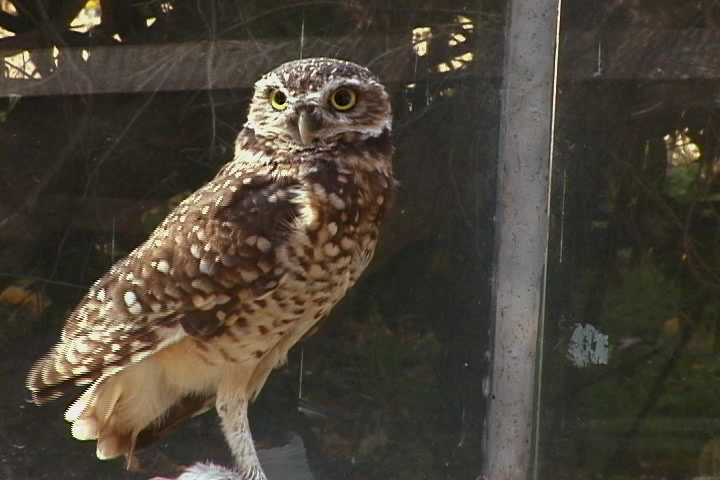
    An ambassador animal is not simply any animal on display. By definition — and by the ethical standards outlined by the Association of Zoos and Aquariums (AZA) — ambassador animals are generally non-releasable wildlife. These are individuals that, due to injury, imprinting on humans, or human-caused habituation, cannot survive in the wild without ongoing human care.

    A great horned owl blinded in a vehicle strike. A Virginia opossum raised by humans from infancy who now lacks the survival instincts her wild counterparts possess. A corn snake surrendered from an illegal pet trade situation. Each of these animals represents a specific story — and it is that story that gives them their marketing power. Their circumstances are not tragic footnotes; they are the entire point. These animals exist at the intersection of human impact and wildlife resilience, making them natural vehicles for conservation messaging.

    Professional media production can play a meaningful role in this process, transforming a single ambassador’s biography into compelling, shareable content that serves both educational and marketing goals.

    The Bridge Between Wild Species and the Public

    Most people will never see a wild screech owl. They will never watch a live box turtle navigate its natural habitat or hear the call of a barred owl echo through an old-growth forest at midnight. Ambassador animals collapse that distance. They make the abstract tangible — putting a face, a name, and a backstory on species that would otherwise remain statistics in a conservation report.

    This bridge function is not just emotionally valuable; it is strategically essential. Conservation messaging that relies purely on data and urgency has well-documented limitations in moving audiences toward action. But a visitor who has locked eyes with a rescued peregrine falcon carries a different relationship with raptor conservation for the rest of their life. The ambassador animal does not just represent its species — it recruits for it.

    Social Media’s Most Engaging Content Is Already in Your Care

    1. Photogenic Animals Drive Organic Reach

    Social media algorithms on platforms like Instagram, TikTok, and Facebook reward content that stops the scroll. Few things stop a scroll more reliably than an animal — especially one with an expressive face, a quirky behavior, or an unexpectedly calm demeanor around humans. Industry reports confirm that posts featuring live ambassador animals consistently generate higher engagement rates — more likes, shares, and comments — compared to posts without them.

    For wildlife museums operating on tight marketing budgets, this is a significant advantage. A thirty-second video of a rehabilitated screech owl tilting its head in curiosity can outperform a polished graphic announcing a new exhibit. The content is already there. The animal is already in residence. What requires investment is the intentional, consistent capture and distribution of that content across the right channels at the right cadence.

    2. Unique Backstories Fuel Viral Storytelling

    Behind every ambassador animal is a story that audiences find genuinely compelling. A one-winged turkey vulture. An imprinted kestrel. A bald eagle grounded by lead poisoning. These narratives carry natural dramatic arcs — survival, resilience, second chances — that align perfectly with the storytelling mechanics that drive shares and saves on social media.

    The most effective wildlife marketing teams treat each ambassador’s backstory as a content franchise, not a one-time post. An initial introduction reel. A day-in-the-life series. Anniversary posts marking the animal’s arrival. Milestone updates on behavioral progress. Each piece of content deepens audience investment in a specific animal — and by extension, in the institution caring for it.

    3. How Institutions Like the San Diego Zoo Apply Animal Content Digitally

    The San Diego Zoo Wildlife Alliance offers one of the clearest large-scale examples of ambassador-driven digital strategy done well. Their ambassador animals are regularly featured in digital campaigns that link conservation storytelling directly to online education resources, donation portals, and membership pathways. The result is a content ecosystem where a single compelling animal video can funnel a viewer from casual scroll to active supporter within a single session.

    Smaller institutions can apply the same architecture at a proportional scale. The principle is identical: give the animal a digital identity, tell its story consistently, and create clear pathways from engagement to action.

    The Emotional Hook That Converts Visitors Into Members

    One Ambassador Animal as a Powerful Representative for Its Species and Conservation

    Marketing conversion — turning a curious visitor into a paying member or recurring donor — typically requires emotional investment. Ambassador animals create that investment faster and more durably than almost any other museum asset. Research consistently shows that direct interaction with live animals significantly increases visitors’ understanding of conservation issues and their willingness to actively support conservation efforts.

    The mechanism is what social scientists sometimes call the identifiable victim effect — people respond more strongly to a specific, named individual than to abstract population statistics. An ambassador animal with a name, a known history, and a visible personality becomes that identifiable individual. Rosie the red-tailed hawk lost her wing after a vehicle collision lands differently than vehicle strikes injure thousands of raptors annually. Both are true. Only one reliably moves people to pull out a credit card.

    From Passive Observers to Active Supporters

    The transition from visitor to member is rarely a single moment — it is a relationship built over multiple touchpoints. Ambassador animals accelerate and deepen that relationship at every stage. A child who met a box turtle on a school field trip asks their parents to go back to the museum. A couple who watched an owl demonstration joins the membership program on their way out. A donor who adopted a specific animal online shows up to a VIP event to meet them in person.

    The effectiveness of ambassador programs in fostering the kind of attachment that supports membership renewals, event attendance, and philanthropic loyalty is widely recognized and supported by fundraising strategies and examples from institutions with active ambassador programs. The animals do not just create warm feelings — they create the specific kind of attachment that sustains giving over time.

    Ambassador Programs Are Mobile Marketing Campaigns

    Mobile Outreach Programs (e.g., Zoo To You) Reach Schools, Libraries, and Communities

    One of the most underutilized marketing insights in the wildlife museum sector is this: the museum does not have to wait for the audience to come to it. Ambassador animal outreach programs — sometimes called Zoo to You or Zoo-Haul presentations — take the institution’s most compelling assets directly into communities, schools, libraries, and local events.

    The Petaluma Wildlife Museum, for example, operates a traveling ambassador presentation program that brings live animals directly to audiences who may never visit the physical museum. These encounters serve multiple marketing functions simultaneously: they introduce the museum’s brand to new demographics, build goodwill within the community, and plant the seeds for future visits, memberships, and donations. A single school presentation can reach dozens of families — families who go home and talk about the experience.

    Reaching Adult Demographics Through Corporate and B2B Events

    School programs are the obvious starting point, but corporate and B2B outreach represents a significantly underserved opportunity for many wildlife museums. Ambassador animal appearances at corporate team-building events, farmers markets, local breweries, and community festivals put the museum in front of adult demographics who might not otherwise self-select into a museum visit.

    These engagements also open direct pathways to corporate sponsorship conversations. A company whose employees just spent an afternoon with an ambassador animal and its handlers is a much warmer prospect for a conservation sponsorship ask than a cold outreach email. The animal does the relationship-building work before the development team ever makes a pitch.

    Fundraising Gets a Face

    Adopt-an-Animal Sponsorships and Donation Campaigns

    Abstract fundraising asks are harder to fulfill than specific ones. Support wildlife conservation is a broad appeal. Help feed and care for Luna, our resident barred owl who arrived after a collision with a power line is a story. Ambassador animals transform every donation ask from the former into the latter — and the results are measurable.

    Adopt-an-animal sponsorship programs are among the most reliable small-dollar fundraising tools in the wildlife museum toolkit. Donors receive a named connection to a specific animal: updates, photos, behind-the-scenes content, and the knowledge that their contribution directly supports a creature they have come to care about. Many institutions extend these programs digitally, allowing supporters anywhere in the world to adopt an ambassador and receive regular content updates — expanding the donor base well beyond the local community.

    VIP Meet-and-Greet Events as a Valuable Part of Donor Cultivation Strategy

    At the major-gift level, ambassador animals shine in a different way: as centerpieces for exclusive donor cultivation experiences. A small-group, after-hours meet-and-greet with an ambassador animal and the educator or rehabilitator who works with them daily creates an experience that is genuinely difficult to replicate anywhere else. It is intimate, memorable, and deeply tied to the institution’s mission.

    VIP meet-and-greet events with ambassador animals are a recognized strategy in donor cultivation, offering unique experiences that can deepen donor engagement and encourage increased philanthropic support. The experience is not just a thank-you — it is a demonstration of access and impact that reinforces the donor’s identity as someone who is making the work possible. That identity reinforcement is one of the most powerful tools in sustained donor cultivation strategy.

    Conservation Education That Actually Sticks

    Live Encounters Drive Engagement and Short-Term Learning — Long-Term Retention Warrants Intentional Design

    Research consistently confirms that live animal encounters increase knowledge retention and empathy toward wildlife in both children and adults — often significantly more than panel-based or digital exhibits covering the same content. The combination of sensory immediacy with emotional engagement creates ideal conditions for learning.

    That said, what the research also suggests is worth noting: short-term gains in knowledge and empathy are well-supported, while long-term behavioral change requires intentional design. A single ambassador animal encounter is a powerful beginning, not a complete conservation education program. The most effective institutions pair live encounters with follow-up materials, actionable next steps, and ongoing community touchpoints that reinforce what visitors experienced in the moment. The ambassador opens the door — the program keeps it open.

    Ethical Storytelling Reinforces Institutional Authority

    How a museum tells the story of its ambassador animals matters as much as the story itself. Transparency about an animal’s non-releasable status, the circumstances of its arrival, and the care standards it receives under AZA guidelines communicates institutional integrity clearly and convincingly. It tells audiences: this organization does things the right way.

    That credibility is not just ethically important — it is a marketing asset. In an era when audiences are increasingly skeptical of greenwashing and performative conservation, the honest, nuanced story of a rehabilitated animal receiving expert care is genuinely differentiating. Institutions that lead with animal welfare and ethical transparency in their ambassador storytelling build the kind of trust that sustains long-term community support and attracts serious philanthropic partners.

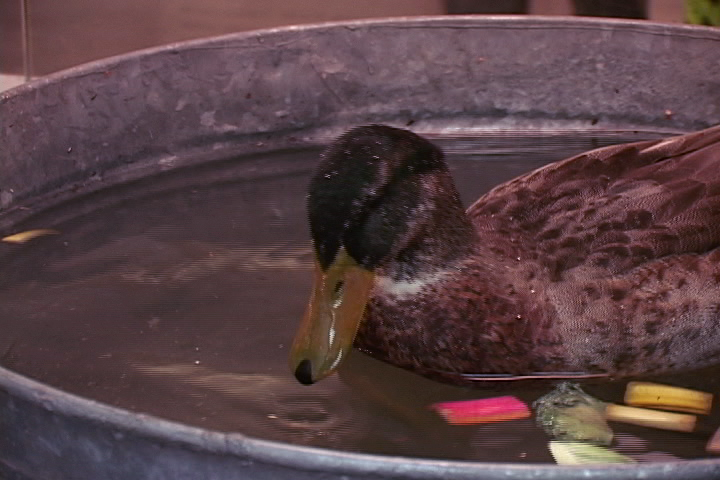
    Lucky the Mallard Duck Video For Kids: Hilarious Little Duck Is Following Man | Funny Video

    https://www.youtube.com/watch?v=7YsHF75MOSw

    Ambassador Animals Do Not Just Represent Wildlife — They Grow Your Museum

    Across every dimension examined — attendance, social media, donor cultivation, community outreach, and conservation education — ambassador animals function as multipliers. They make every other marketing effort more effective: events are more memorable, social content is more shareable, donation asks are more compelling, and education programming is more impactful. They are not a single-department asset. They belong to the whole institution’s strategy.

    The museums that recognize this treat their ambassador programs with the same strategic intentionality they bring to capital campaigns or exhibit development. They invest in high-quality documentation of their animals’ stories, create consistent content calendars built around those stories, design donor experiences centered on meaningful animal access, and send their ambassadors into the community as genuine extensions of the institution’s brand and mission.

    Ambassador animals cannot be an afterthought in a wildlife museum’s marketing plan — and at the institutions that are growing their membership bases, diversifying their donor pipelines, and building genuine community loyalty, they never are. These animals are not just residents of the museum. They are, in every measurable sense, among its most valuable players.

    For wildlife museums looking to strengthen their conservation mission and community presence, Lucky is based on a wildlife ambassador for The Lindsay Wildlife Museum in Walnut Creek, CA.