Summary
Wildlife museums have always faced a unique marketing challenge: how do you make people feel urgently connected to species and ecosystems they may never encounter in the wild? The answer, for many of the most successful institutions in the country, is already living in an on-site habitat or traveling to a school near you. Ambassador animals — wildlife that cannot be returned to the wild — are quietly doing the heavy lifting across almost every dimension of museum outreach strategy- a fine example of creative team marketing with the animal ambassadors as the MVPs (most valuable players)
Key Takeaways
- Ambassador animals are live, non-releasable wildlife that rank among the most impactful marketing assets a wildlife museum can have — driving foot traffic, social media reach, donor engagement, and conservation education all at once.
- Social media content featuring ambassador animals consistently generates higher engagement than posts without live animals, giving institutions a built-in organic reach advantage.
- The emotional connection formed during a live animal encounter can convert a one-time visitor into a long-term member or donor — a conversion path that static exhibits rarely achieve.
- Ambassador programs extend a museum’s brand far beyond its walls through mobile outreach events, corporate visits, and school programs — functioning as living, breathing marketing campaigns.
- Keep reading to find out how ethical storytelling around these animals builds the kind of institutional authority that sustains conservation missions for years.
Live Animals Often Outperform Static Exhibits — With Important Nuances
Walk past a taxidermied red-tailed hawk and most visitors keep moving. Walk past a live one perched calmly on a trainer’s glove, and suddenly a crowd gathers, phones come out, and questions start flying. That difference is not incidental — it is the foundation of why ambassador animal programs have become central to team marketing strategies at zoos, aquariums, and wildlife museums across the country.
Industry analysis consistently shows that live animals offer a visitor experience that static displays simply cannot replicate. The interactivity, unpredictability, and visible personality of a living creature create what researchers and marketers alike describe as a memorable experience — the kind that gets talked about at dinner, shared on Instagram, and recalled years later. Zoos and aquariums actively build on the popularity and emotional pull of their ambassador animals to contribute to increased attendance and membership renewals, as reflected in the central role these programs play in their institutional strategies.
That said, the edge live animals hold is not automatic. Programming, presentation, and ethical framing all shape whether an encounter becomes a marketing win or a missed opportunity. The institutions that get the most mileage out of their ambassador programs are those that treat each animal as both a living being and a carefully considered storytelling vehicle — not just a spectacle.
What Makes an Animal Ambassador
Non-Releasable Animals With a Purpose
An ambassador animal is not simply any animal on display. By definition — and by the ethical standards outlined by the Association of Zoos and Aquariums (AZA) — ambassador animals are generally non-releasable wildlife. These are individuals that, due to injury, imprinting on humans, or human-caused habituation, cannot survive in the wild without ongoing human care.
A great horned owl blinded in a vehicle strike. A Virginia opossum raised by humans from infancy who now lacks the survival instincts her wild counterparts possess. A corn snake surrendered from an illegal pet trade situation. Each of these animals represents a specific story — and it is that story that gives them their marketing power. Their circumstances are not tragic footnotes; they are the entire point. These animals exist at the intersection of human impact and wildlife resilience, making them natural vehicles for conservation messaging.
Professional media production can play a meaningful role in this process, transforming a single ambassador’s biography into compelling, shareable content that serves both educational and marketing goals.
The Bridge Between Wild Species and the Public
Most people will never see a wild screech owl. They will never watch a live box turtle navigate its natural habitat or hear the call of a barred owl echo through an old-growth forest at midnight. Ambassador animals collapse that distance. They make the abstract tangible — putting a face, a name, and a backstory on species that would otherwise remain statistics in a conservation report.
This bridge function is not just emotionally valuable; it is strategically essential. Conservation messaging that relies purely on data and urgency has well-documented limitations in moving audiences toward action. But a visitor who has locked eyes with a rescued peregrine falcon carries a different relationship with raptor conservation for the rest of their life. The ambassador animal does not just represent its species — it recruits for it.
Social Media’s Most Engaging Content Is Already in Your Care
1. Photogenic Animals Drive Organic Reach
Social media algorithms on platforms like Instagram, TikTok, and Facebook reward content that stops the scroll. Few things stop a scroll more reliably than an animal — especially one with an expressive face, a quirky behavior, or an unexpectedly calm demeanor around humans. Industry reports confirm that posts featuring live ambassador animals consistently generate higher engagement rates — more likes, shares, and comments — compared to posts without them.
For wildlife museums operating on tight marketing budgets, this is a significant advantage. A thirty-second video of a rehabilitated screech owl tilting its head in curiosity can outperform a polished graphic announcing a new exhibit. The content is already there. The animal is already in residence. What requires investment is the intentional, consistent capture and distribution of that content across the right channels at the right cadence.
2. Unique Backstories Fuel Viral Storytelling
Behind every ambassador animal is a story that audiences find genuinely compelling. A one-winged turkey vulture. An imprinted kestrel. A bald eagle grounded by lead poisoning. These narratives carry natural dramatic arcs — survival, resilience, second chances — that align perfectly with the storytelling mechanics that drive shares and saves on social media.
The most effective wildlife marketing teams treat each ambassador’s backstory as a content franchise, not a one-time post. An initial introduction reel. A day-in-the-life series. Anniversary posts marking the animal’s arrival. Milestone updates on behavioral progress. Each piece of content deepens audience investment in a specific animal — and by extension, in the institution caring for it.
3. How Institutions Like the San Diego Zoo Apply Animal Content Digitally
The San Diego Zoo Wildlife Alliance offers one of the clearest large-scale examples of ambassador-driven digital strategy done well. Their ambassador animals are regularly featured in digital campaigns that link conservation storytelling directly to online education resources, donation portals, and membership pathways. The result is a content ecosystem where a single compelling animal video can funnel a viewer from casual scroll to active supporter within a single session.
Smaller institutions can apply the same architecture at a proportional scale. The principle is identical: give the animal a digital identity, tell its story consistently, and create clear pathways from engagement to action.
The Emotional Hook That Converts Visitors Into Members
One Ambassador Animal as a Powerful Representative for Its Species and Conservation
Marketing conversion — turning a curious visitor into a paying member or recurring donor — typically requires emotional investment. Ambassador animals create that investment faster and more durably than almost any other museum asset. Research consistently shows that direct interaction with live animals significantly increases visitors’ understanding of conservation issues and their willingness to actively support conservation efforts.
The mechanism is what social scientists sometimes call the identifiable victim effect — people respond more strongly to a specific, named individual than to abstract population statistics. An ambassador animal with a name, a known history, and a visible personality becomes that identifiable individual. Rosie the red-tailed hawk lost her wing after a vehicle collision lands differently than vehicle strikes injure thousands of raptors annually. Both are true. Only one reliably moves people to pull out a credit card.
From Passive Observers to Active Supporters
The transition from visitor to member is rarely a single moment — it is a relationship built over multiple touchpoints. Ambassador animals accelerate and deepen that relationship at every stage. A child who met a box turtle on a school field trip asks their parents to go back to the museum. A couple who watched an owl demonstration joins the membership program on their way out. A donor who adopted a specific animal online shows up to a VIP event to meet them in person.
The effectiveness of ambassador programs in fostering the kind of attachment that supports membership renewals, event attendance, and philanthropic loyalty is widely recognized and supported by fundraising strategies and examples from institutions with active ambassador programs. The animals do not just create warm feelings — they create the specific kind of attachment that sustains giving over time.
Ambassador Programs Are Mobile Marketing Campaigns
Mobile Outreach Programs (e.g., Zoo To You) Reach Schools, Libraries, and Communities
One of the most underutilized marketing insights in the wildlife museum sector is this: the museum does not have to wait for the audience to come to it. Ambassador animal outreach programs — sometimes called Zoo to You or Zoo-Haul presentations — take the institution’s most compelling assets directly into communities, schools, libraries, and local events.
The Petaluma Wildlife Museum, for example, operates a traveling ambassador presentation program that brings live animals directly to audiences who may never visit the physical museum. These encounters serve multiple marketing functions simultaneously: they introduce the museum’s brand to new demographics, build goodwill within the community, and plant the seeds for future visits, memberships, and donations. A single school presentation can reach dozens of families — families who go home and talk about the experience.
Reaching Adult Demographics Through Corporate and B2B Events
School programs are the obvious starting point, but corporate and B2B outreach represents a significantly underserved opportunity for many wildlife museums. Ambassador animal appearances at corporate team-building events, farmers markets, local breweries, and community festivals put the museum in front of adult demographics who might not otherwise self-select into a museum visit.
These engagements also open direct pathways to corporate sponsorship conversations. A company whose employees just spent an afternoon with an ambassador animal and its handlers is a much warmer prospect for a conservation sponsorship ask than a cold outreach email. The animal does the relationship-building work before the development team ever makes a pitch.
Fundraising Gets a Face
Adopt-an-Animal Sponsorships and Donation Campaigns
Abstract fundraising asks are harder to fulfill than specific ones. Support wildlife conservation is a broad appeal. Help feed and care for Luna, our resident barred owl who arrived after a collision with a power line is a story. Ambassador animals transform every donation ask from the former into the latter — and the results are measurable.
Adopt-an-animal sponsorship programs are among the most reliable small-dollar fundraising tools in the wildlife museum toolkit. Donors receive a named connection to a specific animal: updates, photos, behind-the-scenes content, and the knowledge that their contribution directly supports a creature they have come to care about. Many institutions extend these programs digitally, allowing supporters anywhere in the world to adopt an ambassador and receive regular content updates — expanding the donor base well beyond the local community.
VIP Meet-and-Greet Events as a Valuable Part of Donor Cultivation Strategy
At the major-gift level, ambassador animals shine in a different way: as centerpieces for exclusive donor cultivation experiences. A small-group, after-hours meet-and-greet with an ambassador animal and the educator or rehabilitator who works with them daily creates an experience that is genuinely difficult to replicate anywhere else. It is intimate, memorable, and deeply tied to the institution’s mission.
VIP meet-and-greet events with ambassador animals are a recognized strategy in donor cultivation, offering unique experiences that can deepen donor engagement and encourage increased philanthropic support. The experience is not just a thank-you — it is a demonstration of access and impact that reinforces the donor’s identity as someone who is making the work possible. That identity reinforcement is one of the most powerful tools in sustained donor cultivation strategy.
Conservation Education That Actually Sticks
Live Encounters Drive Engagement and Short-Term Learning — Long-Term Retention Warrants Intentional Design
Research consistently confirms that live animal encounters increase knowledge retention and empathy toward wildlife in both children and adults — often significantly more than panel-based or digital exhibits covering the same content. The combination of sensory immediacy with emotional engagement creates ideal conditions for learning.
That said, what the research also suggests is worth noting: short-term gains in knowledge and empathy are well-supported, while long-term behavioral change requires intentional design. A single ambassador animal encounter is a powerful beginning, not a complete conservation education program. The most effective institutions pair live encounters with follow-up materials, actionable next steps, and ongoing community touchpoints that reinforce what visitors experienced in the moment. The ambassador opens the door — the program keeps it open.
Ethical Storytelling Reinforces Institutional Authority
How a museum tells the story of its ambassador animals matters as much as the story itself. Transparency about an animal’s non-releasable status, the circumstances of its arrival, and the care standards it receives under AZA guidelines communicates institutional integrity clearly and convincingly. It tells audiences: this organization does things the right way.
That credibility is not just ethically important — it is a marketing asset. In an era when audiences are increasingly skeptical of greenwashing and performative conservation, the honest, nuanced story of a rehabilitated animal receiving expert care is genuinely differentiating. Institutions that lead with animal welfare and ethical transparency in their ambassador storytelling build the kind of trust that sustains long-term community support and attracts serious philanthropic partners.
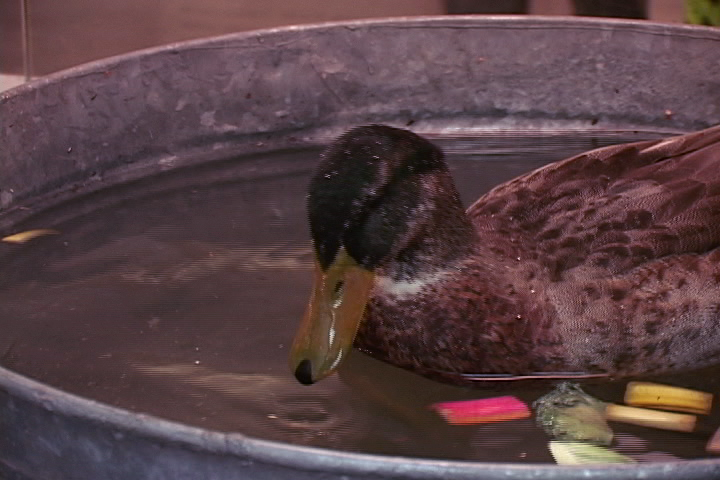
Lucky the Mallard Duck Video For Kids: Hilarious Little Duck Is Following Man | Funny Video
https://www.youtube.com/watch?v=7YsHF75MOSw
Ambassador Animals Do Not Just Represent Wildlife — They Grow Your Museum
Across every dimension examined — attendance, social media, donor cultivation, community outreach, and conservation education — ambassador animals function as multipliers. They make every other marketing effort more effective: events are more memorable, social content is more shareable, donation asks are more compelling, and education programming is more impactful. They are not a single-department asset. They belong to the whole institution’s strategy.
The museums that recognize this treat their ambassador programs with the same strategic intentionality they bring to capital campaigns or exhibit development. They invest in high-quality documentation of their animals’ stories, create consistent content calendars built around those stories, design donor experiences centered on meaningful animal access, and send their ambassadors into the community as genuine extensions of the institution’s brand and mission.
Ambassador animals cannot be an afterthought in a wildlife museum’s marketing plan — and at the institutions that are growing their membership bases, diversifying their donor pipelines, and building genuine community loyalty, they never are. These animals are not just residents of the museum. They are, in every measurable sense, among its most valuable players.
For wildlife museums looking to strengthen their conservation mission and community presence, Lucky is based on a wildlife ambassador for The Lindsay Wildlife Museum in Walnut Creek, CA.